


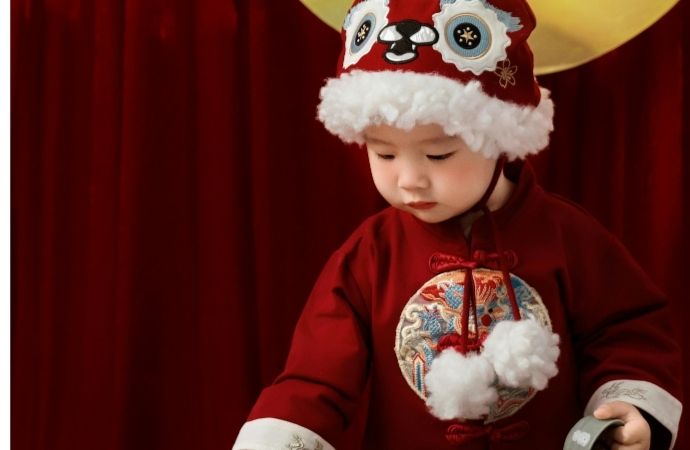

In 2026, fashion is no longer something we simply wear—it is something we speak. Every outfit tells a story, every fabric carries meaning, and every style choice reflects culture in motion. This year represents a turning point where fashion stops chasing trends and starts communicating identity, belief systems, and collective emotions. Culture is no longer an influence on fashion; it is the foundation.
Fashion in 2026 Is About Meaning, Not Momentum
For decades, fashion relied on speed—faster seasons, quicker trends, instant influence. But 2026 marks the end of fashion as a race. Instead, the industry embraces depth, intention, and cultural relevance. People no longer want “what’s next”; they want what matters.
Clothing now reflects lived experiences. Economic shifts, global conversations, climate awareness, and cultural pride all shape what people choose to wear. In 2026, fashion slows down to allow meaning to catch up.
Cultural Hybridity Takes Center Stage
One of the most defining characteristics of 2026 fashion is cultural fusion. This is not about blending styles for aesthetics—it is about reflecting real, multicultural lives. Global citizens are expressing layered identities through clothing that combines influences from different regions, histories, and traditions.
A single outfit might feature Middle Eastern draping, European tailoring, and Asian-inspired minimalism. These combinations are not forced; they are organic, reflecting a world where cultures constantly interact. Fashion in 2026 mirrors this reality, becoming fluid, hybrid, and borderless.
Clothing as a Response to Global Emotions
Culture in 2026 is shaped by collective emotion—hope, anxiety, resilience, and creativity. Fashion responds directly to these feelings. Designers explore silhouettes that feel protective yet expressive, structured yet comfortable.
Oversized forms symbolize safety and freedom, while layered clothing reflects complexity and adaptability. Colors also play an emotional role: grounding earth tones express stability, while bold digital hues represent optimism and imagination. Fashion becomes a wearable emotional response to the world we live in.
The Power Shift: Communities Over Corporations
Another major cultural shift influencing fashion in 2026 is the transfer of power from large institutions to creative communities. Independent designers, local artisans, and niche collectives now shape fashion culture more than traditional luxury houses.
Social platforms give visibility to grassroots creativity, allowing regional styles to gain global recognition without losing authenticity. Fashion culture is no longer dictated from the top down—it grows sideways, shaped by communities telling their own stories.
Redefining Luxury Through Culture
Luxury in 2026 looks very different from the past. Logos and price tags no longer define status. Cultural value does. Handcrafted details, time-intensive processes, and meaningful narratives have become the new symbols of luxury.
Owning a garment made by skilled artisans or designed with cultural significance is considered more valuable than mass-produced exclusivity. Luxury brands adapt by investing in craftsmanship, transparency, and cultural storytelling, aligning prestige with purpose.
Technology as Cultural Expression
Technology is deeply woven into fashion culture in 2026, but not in a cold or mechanical way. Instead, it enhances creativity and personalization. Smart textiles, adaptive clothing, and digital customization allow people to interact with fashion on a personal level.
Technology also preserves culture. Traditional patterns and techniques are digitally archived, reinterpreted, and protected through modern tools. Fashion becomes a bridge between ancestral knowledge and future innovation, ensuring culture evolves without disappearing.
Fashion Without Rules
Rules in fashion have quietly dissolved by 2026. Age, gender, body type, and occasion no longer restrict what people wear. Cultural acceptance has expanded fashion’s boundaries, allowing self-expression to take priority.
Wearing formal clothing casually, mixing cultural garments with everyday wear, or redefining traditional outfits for modern life is widely embraced. Fashion culture now encourages experimentation, authenticity, and confidence rather than conformity.
Everyday Fashion Becomes Cultural Art
In 2026, everyday clothing is treated as cultural art. Street style, workwear, and casual outfits carry as much significance as runway designs. What people wear daily reflects their values, routines, and cultural influences.
This shift elevates ordinary fashion moments into meaningful expressions. A simple outfit can represent sustainability, heritage, rebellion, or creativity. Fashion becomes accessible culture—something everyone participates in, not just observes.
The Return of Storytelling in Fashion
Storytelling defines fashion culture in 2026. Brands no longer sell clothes without context. Each collection is accompanied by narratives—about inspiration, people, and purpose. Consumers connect emotionally with garments when they understand their stories.
This cultural storytelling strengthens the relationship between fashion and wearer. Clothing becomes personal, memorable, and emotionally valuable, encouraging people to keep pieces longer and care for them deeply.
Fashion as Cultural Preservation and Progress
Ultimately, 2026 fashion exists at the intersection of preservation and progress. It protects cultural heritage while allowing it to evolve. It respects tradition without being confined by it. Fashion becomes a living archive, constantly rewritten by those who wear it.
In this era, clothing is not just a trend or a statement—it is a language. A language that speaks of identity, community, creativity, and change. Fashion in 2026 does not tell us who to be. It listens, reflects, and grows with us.