


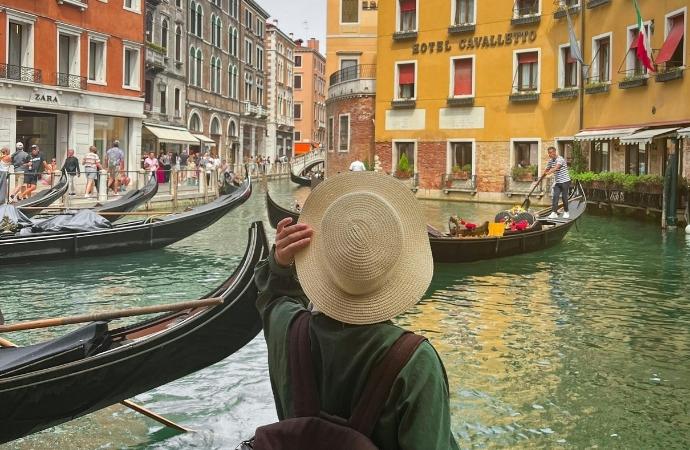

Travel today often feels rushed. We move from airport to hotel, from landmark to landmark, ticking boxes and capturing photos, only to return home wondering why the trip feels unfinished. True travel, however, is not about how many places you see—it’s about how deeply you experience them. When you slow down and allow the journey to shape you, travel becomes more than movement; it becomes transformation.
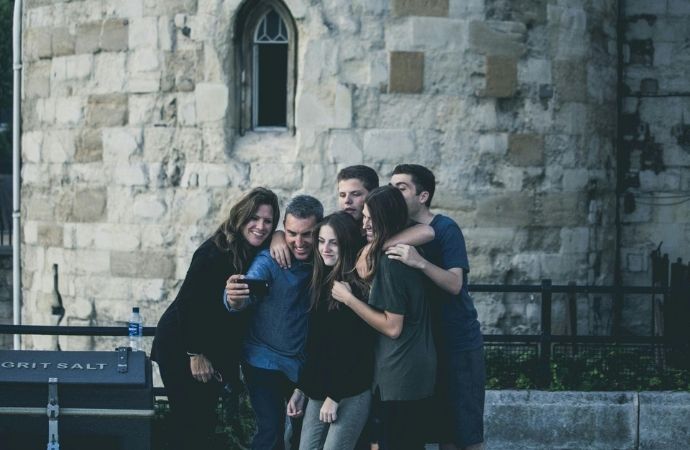
The Difference Between Visiting and Experiencing
Visiting a destination means arriving, observing, and leaving. Experiencing a destination means participating in its rhythm. It’s the difference between seeing a market and talking to the vendor who wakes before sunrise to set up his stall. It’s the difference between staying in a luxury hotel and waking up in a small guesthouse where the owner greets you by name.
When you experience a place, you begin to understand its people, values, and stories. You notice small details—the way locals greet each other, how food is shared, how time is respected or ignored. These moments don’t appear on travel brochures, but they stay with you long after the trip ends.
Letting Curiosity Lead the Way
Some of the most memorable travel experiences happen when plans fall apart. A delayed train might lead to an unexpected conversation. A wrong turn could reveal a quiet street café that becomes your favorite memory of the trip. Curiosity, rather than control, often creates the best adventures.
Instead of planning every minute, leave room for discovery. Walk without a destination. Try food you can’t pronounce. Ask locals where they like to go, not where tourists are told to visit. Travel becomes richer when curiosity replaces rigid schedules.
Traveling Light—In Bags and in Mind
Overpacking is not just about luggage; it’s also about expectations. When travelers carry too many assumptions, they miss what’s right in front of them. Traveling light means being open—open to discomfort, surprises, and differences.
Minimalism on the road teaches valuable lessons. You realize how little you truly need. You learn to adapt. You become more present. Without distractions, you notice sunsets, conversations, and silence. Travel simplifies life in a way that few other experiences can.
Food as a Gateway to Culture
Food tells the story of a place better than any guidebook. Every dish reflects history, climate, and tradition. Eating local food isn’t just about taste—it’s about connection.
Sharing a meal breaks language barriers. Sitting at a small roadside stall or a family-run restaurant allows you to witness daily life unfold. You learn why certain spices matter, why meals are prepared slowly, and why food is often tied to celebration and memory. Through food, strangers become familiar, and unfamiliar places begin to feel like home.
The Beauty of Slow Travel
Slow travel challenges the idea that more destinations equal a better trip. Staying longer in one place allows deeper connections. You begin to recognize faces. You develop routines. The destination stops feeling foreign.
Whether it’s spending a week in a small town or revisiting the same café every morning, slow travel encourages mindfulness. You are no longer rushing to capture moments—you are living them. This approach not only reduces travel stress but also supports local communities more sustainably.
Learning Through Discomfort
Travel is not always comfortable, and that’s part of its value. Missed buses, language misunderstandings, and unfamiliar customs test patience and adaptability. These moments teach problem-solving, empathy, and resilience.
Discomfort often leads to growth. It challenges personal limits and reshapes perspectives. You return home not just with photos, but with confidence, humility, and a better understanding of the world’s diversity.
Responsible Travel Matters
Modern travelers carry responsibility. Every journey leaves an impact—on the environment, culture, and economy. Responsible travel means being aware of that impact and choosing thoughtfully.
Support local businesses, respect cultural norms, reduce waste, and avoid exploitative tourism practices. Small actions—refilling water bottles, choosing local guides, learning basic phrases—make a meaningful difference. Responsible travel ensures that destinations remain vibrant and welcoming for future generations.
Coming Home Changed
The most powerful journeys don’t end when you return home. They influence how you see everyday life. You may become more patient, more grateful, or more curious. Travel often reminds us that there are many ways to live, succeed, and find happiness.
When you bring those lessons into daily life, travel continues long after the suitcase is unpacked. You cook dishes inspired by your trip, stay in touch with people you met, and view the world with expanded understanding.
Final Thoughts
Travel is not about escaping life; it’s about engaging with it more fully. When you move beyond the checklist and embrace the unknown, every journey becomes personal and meaningful. The world is vast, diverse, and endlessly surprising—but the greatest discoveries often happen within yourself.
So the next time you travel, slow down. Listen more. Expect less. Experience more. Let the journey change you.